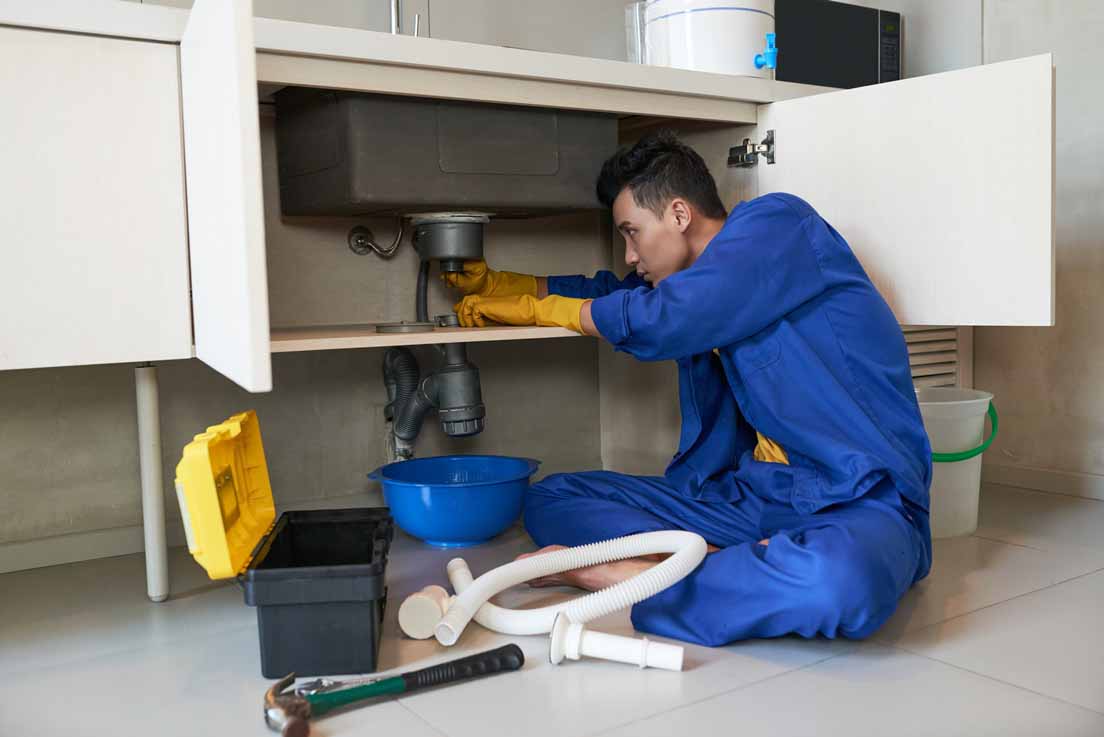
When a pipe bursts at 2 AM or a water heater fails on a Sunday morning, most people aren’t flipping through the Yellow Pages anymore, they’re frantically typing “emergency plumber near me” into their phones. If your plumbing business doesn’t show up in those critical first few results, you’re invisible. And today, that invisibility costs you thousands of dollars every single month.
The plumbing industry has fundamentally changed. Your competitors aren’t just the guy with the truck parked down the street anymore. They’re the businesses that have figured out how to dominate Google’s local search results, capture customers at the exact moment they need help, and build authority online that translates directly into ringing phones and booked schedules.
At Divramis, our plumber SEO agency team has spent over a decade helping roofing companies, contractors, and local home-service businesses climb Google’s rankings with white-hat strategies, transparent reporting, and measurable lead growth.
We’ve helped businesses across competitive industries, from local service providers to specialized niches, increase their organic traffic by up to 1200% through proven, white-hat SEO strategies. The plumbing sector presents unique opportunities because local intent is incredibly high, competition is often surprisingly weak in execution, and the ROI from ranking well can be extraordinary. But you need to know what actually works today, not outdated tactics from five years ago.
This guide walks through everything you need to dominate local search as a plumber: from claiming and optimizing the Google Business Profile that drives most of your leads, to building a website that converts visitors into paying customers, to creating content that establishes you as the go-to expert in your area. Whether you’re a solo operator or managing a fleet of trucks, these strategies scale with your business and deliver measurable results. Let’s get started.
Why SEO Is Critical for Plumbing Businesses today
The numbers tell a stark story: 97% of consumers search online for local services, and 76% of people who search for something nearby visit a business within 24 hours. For plumbers, this isn’t just interesting data, it’s the difference between a thriving business and one that’s struggling to fill the schedule.
Traditional marketing channels have collapsed in effectiveness. Direct mail gets tossed. Radio ads get skipped. Even pay-per-click advertising, while still valuable, has become prohibitively expensive in many markets, with cost-per-click rates for plumbing keywords often exceeding $50-$100. Meanwhile, organic search traffic, the kind you earn through SEO, costs nothing per click once you’ve achieved rankings, and it converts at significantly higher rates because users trust organic results more than ads.
The competitive landscape has shifted dramatically. Today, the plumbing companies winning the most business aren’t necessarily the ones with the most experience or the best technicians. They’re the ones that show up first when potential customers are searching. Google has become the new front door to your business, and if that door is locked or hidden, you’re losing jobs to competitors who might not even be as good as you are.
Consider the lifetime value of a plumbing customer. A single residential client might be worth $500 for an emergency repair, but if you do good work, they’ll call you back for installations, maintenance, and refer you to neighbors. That single customer could be worth $5,000+ over their lifetime. Now multiply that by the dozens or hundreds of customers you could capture each year by ranking prominently for local searches. The math becomes compelling very quickly.
SEO also builds compounding returns over time. Unlike paid advertising that stops the moment you stop paying, SEO investments accumulate. A well-optimized website, strong local citations, quality backlinks, and authoritative content continue working for you month after month, year after year. We’ve seen plumbing businesses that invested in solid SEO foundations continue to generate leads from work done years earlier.
The barrier to entry is also lower than most plumbers think. While national SEO campaigns can be complex and expensive, local SEO, which is what matters most for plumbers, is achievable even with modest budgets and some focused effort. Your competition likely isn’t doing most of what we’ll cover in this guide, which means you don’t need to be perfect. You just need to be better than the other plumbers in your area.
Understanding How Plumbing Customers Search Online
Before you can optimize for search, you need to understand exactly how your customers behave when they need a plumber. The search journey isn’t random, it follows predictable patterns, and recognizing these patterns lets you position your business exactly where customers are looking.
Emergency searches dominate plumbing queries. Someone with water flooding their basement isn’t browsing multiple websites and comparing reviews for hours. They’re typing “plumber near me,” “emergency plumber,” or “24 hour plumber” and calling the first few results that look legitimate. These searches have enormous commercial intent and virtually zero patience. If you’re not in the top three results, especially in the Google Local Pack, you might as well not exist.
But not all searches are emergencies. Many customers search with planning intent: “water heater installation cost,” “how to fix a leaky faucet,” “best tankless water heater,” or “plumber reviews [city name].” These searches happen days or weeks before they’re ready to hire someone. Capturing these users early, providing helpful information, and staying top-of-mind means when they’re finally ready to book, your name comes to mind first.
Mobile searches account for roughly 60% of plumbing-related queries, and that number climbs even higher for emergency services. This mobile dominance has huge implications: your website must load fast on phones, your phone number needs to be instantly clickable, and your Google Business Profile needs to be completely optimized because it’s often the first (and sometimes only) thing mobile searchers see.
Local intent is everything. Nobody searches for “plumber” in the abstract, they search for “plumber in Austin,” “plumber near downtown Seattle,” or let Google’s location services automatically localize their “plumber near me” query. Google knows this and heavily prioritizes local results for service-based searches. A plumbing company in Chicago has virtually zero chance of ranking for someone searching in Miami, no matter how strong their SEO is. This geographic focus actually works in your favor because you only need to outrank the competitors in your specific service area.
Search behavior also varies by service type. Commercial plumbing searches tend to be more research-focused and occur during business hours. Residential emergency searches spike in early morning and evening hours when people are home and discover problems. Seasonal patterns matter too, searches for drain cleaning peak in fall, water heater replacements surge in winter, and sewer line issues increase in spring when ground shifts.
Understanding these patterns means you can optimize for the right keywords at the right time, create content that matches user intent, and structure your online presence to capture customers at every stage of their decision journey.
Local SEO: The Foundation of Plumber Visibility
Local SEO isn’t just part of your strategy, it is your strategy. For plumbers, nearly 100% of your customers will come from your geographic service area, which means local ranking factors determine whether your business succeeds or struggles online.
Optimizing Your Google Business Profile for Maximum Exposure
Your Google Business Profile (formerly Google My Business) is the single most important asset in your SEO arsenal. It controls whether you appear in the Local Pack, those three businesses with maps that show up at the very top of search results, and it’s often the first impression potential customers get of your business.
Start by claiming and verifying your profile if you haven’t already. Google needs to confirm you’re actually a legitimate business at your location. Once verified, complete every single section. Businesses with complete profiles get 70% more location visits and 50% more website clicks than incomplete ones.
Your business name should match exactly what appears on your storefront, business licenses, and other citations. Don’t stuff keywords into your business name like “Joe’s Plumbing | Best Emergency Plumber Austin”, Google penalizes this practice and may suspend your profile. Your actual business name is enough.
Choose the most specific business categories possible. Your primary category should be “Plumber” (obviously), but you can add secondary categories like “Emergency Plumbing Service,” “Drainage Service,” “Water Heater Installation Service,” or “Bathroom Remodeler” if they accurately reflect services you offer. These categories directly influence what searches you appear for.
Read more: How to elevate your brand with professional SEO services
Your business description is a 750-character opportunity to tell potential customers exactly what you do, where you serve, and why they should choose you. Include your key services, service areas, years in experience, licensing information, and anything that differentiates you. Use natural language, write for humans first, search engines second.
Photos dramatically impact engagement. Businesses with photos receive 42% more requests for directions and 35% more click-throughs to their websites. Upload high-quality images of your team, your trucks with clear branding, completed jobs (with customer permission), your office or warehouse, and your technicians in action. Update photos regularly, Google rewards fresh content.
Google Posts let you share updates, offers, and content directly in your Business Profile. We recommend posting at least weekly with service highlights, seasonal tips, special offers, or recent jobs. These posts signal to Google that your business is active and engaged, which can positively influence rankings.
Reviews are absolutely crucial. Google considers review quantity, review velocity (how often you get new ones), review diversity (different keywords mentioned), and your ratings when determining rankings. The businesses with the most positive, recent reviews generally dominate the Local Pack. We’ll cover review strategies more in a moment, but know that actively generating reviews is non-negotiable for local SEO success.
Accurately define your service areas. If you operate from a physical location customers visit, your address should be visible. If you’re a service-area business that travels to customers (which most plumbers are), you can hide your address and instead specify the cities or ZIP codes you serve. Be honest about your service area, don’t claim you serve regions you can’t realistically cover, as this can dilute your relevance for your core area.
Keep your hours current, especially if you offer 24/7 emergency service. Enable messaging if you can commit to responding quickly, fast response times improve your visibility and customer satisfaction.
Building Local Citations and NAP Consistency
Local citations are online mentions of your business name, address, and phone number (NAP). They appear on directories, review sites, local business listings, social platforms, and industry-specific sites. Google uses these citations to verify your business exists, confirm your location, and determine your relevance for local searches.
NAP consistency is critical. Your business name, address, and phone number must match exactly across all citations. Even small variations, “Street” vs. “St.,” different phone numbers, suite numbers included on some listings but not others, can confuse Google and weaken your local rankings. Decide on a standard format and use it everywhere.
Start with the major citation sources that matter most: Google Business Profile (already covered), Yelp, Facebook, Apple Maps, Bing Places, Angi (formerly Angie’s List), HomeAdvisor, Thumbtack, Better Business Bureau, and YellowPages. These high-authority sites pass significant ranking power and often appear prominently in search results themselves.
Don’t overlook industry-specific directories. For plumbers, sites like BuildZoom, Porch, Houzz, and local plumbing associations can provide valuable, relevant citations. Local chamber of commerce directories and city business listings also carry weight for local SEO.
The goal isn’t to be on every directory that exists, quality matters more than quantity. Focus on authoritative, relevant sites that your customers actually use and that Google trusts. Fifty consistent, quality citations will always outperform 200 low-quality, inconsistent ones.
Regularly audit your citations. Businesses move, phone numbers change, and directories update or close. We recommend checking your top 20-30 citations quarterly to ensure accuracy. Tools like Moz Local, BrightLocal, or Whitespark can help you find and manage citations, though manual checking is also effective for smaller businesses.
Citations also provide valuable backlinks to your website. Whenever possible, include your website URL in your citation profiles. These links signal to Google that your website is connected to a legitimate, verified business with a physical presence, which strengthens your overall domain authority and local relevance.
On-Page SEO Strategies for Plumbing Websites
Your website is where prospects become customers. But before that conversion can happen, your site needs to rank well enough for people to find it. On-page SEO, everything you control directly on your website, determines how well search engines understand what you do, who you serve, and whether you deserve to rank for valuable keywords.
Keyword Research and Targeting for Plumbing Services
Effective keyword research starts with understanding the gap between what you think customers search for and what they actually type into Google. Most plumbers dramatically underestimate the variety and specificity of search queries.
Start with service-specific keywords. These are the bread-and-butter terms that directly describe what you offer: “drain cleaning,” “water heater repair,” “sewer line replacement,” “toilet installation,” “leak detection,” “pipe repair,” and so on. But don’t stop at the service alone, add location modifiers for every keyword: “drain cleaning Austin,” “water heater repair near me,” “sewer line replacement downtown Seattle.”
Emergency modifiers dramatically increase commercial intent: “emergency plumber,” “24 hour plumber,” “same day plumbing repair,” “urgent drain cleaning.” These keywords convert at exceptionally high rates because the searcher needs help immediately.
Long-tail keywords, longer, more specific phrases, often represent the best opportunities. While “plumber Austin” might get 5,000 searches per month with brutal competition, “tankless water heater installation cost Austin” might get 100 searches with far less competition and much higher intent. Those 100 searchers are actively researching a specific service you offer, making them far more likely to convert.
Use actual keyword research tools rather than guessing. Google Keyword Planner (free), Ahrefs, SEMrush, or Moz Keyword Explorer can show you exact search volumes, competition levels, and related keywords you hadn’t considered. Look at what competitors rank for, tools like Ahrefs’ Site Explorer or SEMrush’s Organic Research feature reveal exactly which keywords are driving traffic to competing plumbers’ websites.
Read more: Working with SEO consultancy experts and specialists
Don’t ignore question-based keywords. People search “how much does it cost to replace a water heater,” “what causes low water pressure,” “how to find a water leak,” and hundreds of similar questions. Answering these questions with high-quality content establishes expertise and captures users early in their research phase.
Prioritize keywords based on three factors: search volume (how many people search for it), competition (how difficult it is to rank), and commercial intent (how likely the searcher is to hire a plumber). A keyword with 50 monthly searches but extremely high intent might be more valuable than a keyword with 1,000 searches but low intent.
Create a keyword map that assigns specific keywords to specific pages. Your homepage might target broad terms like “plumber [city],” while individual service pages target specific services, and blog posts target informational keywords. This prevents keyword cannibalization, multiple pages competing for the same term, and gives Google clear signals about what each page is about.
Creating Service Pages That Convert and Rank
Service pages are where on-page SEO meets conversion optimization. These pages need to rank well and convince visitors to pick up the phone. Both goals matter equally.
Each significant service you offer deserves its own dedicated page. Don’t lump “drain cleaning, hydro jetting, and sewer line repair” into one generic “drain services” page. Create separate pages for drain cleaning, hydro jetting, and sewer line repair. This specificity helps you rank for more targeted keywords and provides better user experience because visitors find exactly what they’re looking for.
Your page titles (H1 tags) should include your target keyword and location: “Professional Drain Cleaning Services in Austin, TX” or “Water Heater Repair & Installation | Seattle Plumbers.” Keep titles under 60 characters so they display fully in search results.
Title tags (what appears in search results) and meta descriptions are crucial for click-through rate. Your title tag might be slightly different from your H1, optimized for search results: “Drain Cleaning Austin | Same-Day Service | Licensed Plumbers.” Meta descriptions should be compelling 155-character summaries that include your keyword and a clear value proposition: “Experienced drain cleaning in Austin with same-day service. Licensed, insured plumbers with 4.9-star rating. Call now for fast, affordable solutions.”
Structure your content with clear H2 and H3 subheadings that include related keywords and break up your content logically. A water heater installation page might have sections like “Types of Water Heaters We Install,” “Water Heater Installation Process,” “Signs You Need a New Water Heater,” and “Water Heater Installation Cost in [City].”
Content length matters. While there’s no magic number, service pages generally need 800-1,500 words to rank competitively. This isn’t about hitting a word count, it’s about thoroughly covering the topic. Explain what the service involves, who needs it, how you perform it, what it costs, what makes your approach different, and why customers should choose you. Answer the questions prospects actually have.
Include local references naturally throughout your content. Mention the neighborhoods you serve, local regulations you comply with (“All our installations meet Seattle building codes”), local landmarks, or local water issues (“Austin’s hard water makes regular water heater maintenance especially important”). These local signals reinforce your geographic relevance.
Add schema markup, structured data that helps Google understand your content. LocalBusiness schema tells Google your business type, location, hours, and contact info. Service schema identifies specific services you offer. Review schema displays star ratings in search results. Most modern SEO plugins make adding schema relatively straightforward.
Internal linking strengthens your site architecture and distributes ranking power. Link from your service pages to relevant blog posts, from your homepage to your most important service pages, and from related service pages to each other. Use descriptive anchor text: “learn more about our emergency plumbing services” rather than “click here.”
Conversion elements are just as important as SEO elements. Place your phone number prominently at the top of every page, make it clickable on mobile, include clear calls-to-action throughout the content (“Call now for same-day service” or “Schedule your free estimate”), add customer testimonials specific to that service, display trust badges (licensing, certifications, awards), and include service-area maps.
Page speed directly impacts rankings and conversions. Compress images, minimize code, use caching, and choose quality hosting. Google PageSpeed Insights will identify specific issues slowing your site down. Every second of delay can reduce conversions by 7%, that’s real money.
Content Marketing That Attracts High-Intent Customers
Content marketing for plumbers isn’t about writing fluffy blog posts that nobody reads. It’s about creating strategic content that captures potential customers at every stage of their journey, establishes your expertise, and builds trust before prospects ever pick up the phone.
The highest-value content answers questions your customers are actually searching for. When someone types “how much does it cost to replace a sewer line” into Google, they’re actively researching a service you provide. If your detailed, honest article appears in results, you’ve just introduced yourself to a potential customer who’s weeks or days away from hiring someone, and you’ve positioned yourself as the helpful expert rather than just another business asking for their money.
Focus on bottom-of-funnel content first. These are articles that target keywords with high commercial intent: “water heater installation cost [city],” “how to choose a plumber,” “emergency plumber vs. regular plumber,” “tankless vs. tank water heater,” or “signs you need sewer line replacement.” These pieces target people who are close to making a hiring decision. Write comprehensive, honest guides that genuinely help people make informed choices, even if that means occasionally suggesting they could DIY a simple fix or that they don’t need the most expensive option.
Local content dramatically boosts local rankings. Write about plumbing issues specific to your area: “Common Plumbing Problems in [City] Homes,” “How [City]’s Hard Water Affects Your Pipes,” “Winterizing Your Plumbing in [State],” or “Navigating [City] Plumbing Permit Requirements.” These locally-focused pieces signal to Google that you’re deeply connected to your service area, and they resonate with local readers who recognize their specific situation in your content.
Seasonal content captures predictable search spikes. Write about furnace and water heater checks before winter, AC drain line cleaning before summer, outdoor faucet winterization in fall, and sewer line issues in spring. Publish these pieces 4-6 weeks before the season begins so they have time to rank before search volume peaks.
Case studies and project showcases do double duty: they provide helpful examples for potential customers and give you an opportunity to showcase your work. “How We Replaced a Corroded Sewer Line Under an Historic [City] Home” tells a story, demonstrates expertise, includes before/after photos, and naturally incorporates keywords. Make these case studies detailed enough to be genuinely useful, explain the problem, your diagnosis, the solution options you presented, why the customer chose the approach they did, the installation process, and the outcome.
Read more: When and why to hire an SEO expert witness
Video content is increasingly powerful for local SEO and conversion. Google owns YouTube, and videos often rank prominently in search results. Create short, helpful videos: “What That Banging Noise in Your Pipes Means,” “How to Shut Off Your Main Water Line in an Emergency,” “What to Expect During a Water Heater Installation,” or simply introductions to your team. Videos build trust faster than text because customers see the real people they’ll be working with. You don’t need expensive equipment, modern smartphones shoot perfectly acceptable video. Focus on lighting, clear audio, and genuine, helpful information.
FAQ pages and sections are SEO gold. Compile the questions customers actually ask, about pricing, process, scheduling, what to expect, licensing, guarantees, service areas, and specific services. Write clear, honest answers. This content often ranks for question-based searches and provides the reassurance nervous customers need before calling. Structure FAQs with proper schema markup so Google can display them as rich results.
Update and expand existing content rather than always creating new pieces. A thin, 400-word blog post about drain cleaning from three years ago could be expanded into a comprehensive 1,500-word guide that ranks far better. Google rewards content freshness, regular updates signal that your content remains current and relevant.
Content distribution matters as much as creation. Share every piece on your Google Business Profile as a post, on your Facebook page, in local community groups (where appropriate), and in email newsletters to existing customers. These distribution channels drive traffic, generate engagement signals, and often result in backlinks, all of which strengthen SEO.
The ROI of content marketing compounds over time. A comprehensive guide to water heater replacement that ranks well might generate 5-10 qualified leads per month, month after month, year after year, from a one-time investment of a few hours of writing. We’ve seen single high-performing blog posts generate tens of thousands of dollars in revenue over their lifetime.
Link Building and Authority Development for Plumbers
Backlinks, links from other websites to yours, remain one of Google’s strongest ranking signals. They function as votes of confidence: when reputable websites link to your plumbing business, Google interprets this as evidence that you’re trustworthy, authoritative, and worth ranking highly. But not all links are created equal, and the tactics that work today are very different from the spammy approaches of years past.
Quality trumps quantity by a massive margin. One link from your city’s newspaper or chamber of commerce website carries more weight than 100 links from random, low-quality directories or blog networks. Google’s algorithms have become sophisticated at identifying natural, earned links versus artificial, manipulative link schemes. We focus exclusively on white-hat link building, earning legitimate links through value, relationships, and quality content, because it’s not only more effective long-term but also avoids the risk of penalties that can devastate your rankings.
Local links matter most for local businesses. Start by identifying link opportunities within your service area. Local business associations, chambers of commerce, industry groups (local plumbing or contracting associations), and supplier websites often provide member directories with links. These local, relevant links send strong geographic signals to Google.
Sponsorship and community involvement generate valuable links and local awareness. Sponsor a youth sports team, a charity event, a local festival, or a community organization. Most sponsors receive recognition on the organization’s website, which typically includes a link back to your business. Choose sponsorships that genuinely align with your values, the best link building also builds your actual business and reputation in the community.
Local media coverage provides high-authority links and brand visibility. Develop relationships with local journalists, bloggers, and news outlets. Offer yourself as an expert source when plumbing-related issues make news: water main breaks, flood preparation, burst pipe prevention during cold snaps, water conservation during droughts, or new local plumbing codes. Respond quickly to journalist requests on platforms like HARO (Help A Reporter Out). When you’re quoted or featured, you usually receive a link from a high-authority local news site.
Create linkable assets, content so valuable that other websites naturally want to reference it. This might be original research (“We analyzed 500 plumbing emergencies in [City] and found these patterns”), comprehensive guides (“The Complete Guide to [City] Plumbing Codes for Contractors”), local resources (“Interactive Map of [City] Water Pressure Zones”), or useful tools (“Water Heater Size Calculator”). When this content is genuinely useful, local builders, real estate agents, home improvement bloggers, and local websites link to it as a resource.
Partner websites offer natural link opportunities. If you partner with specific suppliers, manufacturers, or service providers, many maintain contractor or partner directories. If you’re certified or trained in specific systems (Kohler, Rheem, Rinnai, etc.), the manufacturers often have “find a certified installer” directories that provide valuable links.
Guest contributions to local publications, trade websites, or relevant blogs can earn links. Write a detailed article about plumbing for your city’s home improvement blog, a local lifestyle website, or a national plumbing industry publication. Include a brief author bio with a link back to your website. Focus on providing genuine value, the goal is to establish expertise and earn a quality link, not to spam promotional content everywhere.
Testimonials for suppliers and service providers you genuinely use can result in links. If you buy materials from local suppliers, use specific software, or partner with other services, offer a testimonial or case study. Many businesses feature customer testimonials on their websites with links back to the customer’s site.
Reclaim unlinked mentions. Use Google Alerts or tools like Ahrefs or SEMrush to find places where your business is mentioned online without a link. A local blog might mention your name, or a directory might list you without linking. Reach out politely and ask if they’d be willing to make your business name into a link. Success rates vary, but it’s low-effort link building from mentions that already exist.
Avoid toxic link building tactics. Don’t buy links, don’t participate in link schemes or exchanges, don’t spam blog comments with links, and don’t use automated link building tools. These tactics might provide short-term gains but inevitably result in penalties that can take months or years to recover from. Google’s getting smarter every year, tactics that worked will get you penalized today.
Link building for local businesses is a long game. Aim to earn 2-5 high-quality local links per month rather than 100 garbage links. Over a year, 30-50 strong, relevant links can transform your local rankings. Focus on relationships, value, and genuine community involvement, the links that result are just one benefit of being an engaged, visible business in your community.
Technical SEO Essentials: Speed, Mobile, and User Experience
Technical SEO is the foundation that everything else is built on. You can have perfect content and tons of links, but if your website is slow, broken on mobile devices, or difficult for search engines to crawl, you’ll never reach your ranking potential. The good news is that most plumbing websites have significant technical issues, which means fixing yours creates an immediate competitive advantage.
Mobile optimization is non-negotiable. With 60%+ of plumbing searches happening on mobile devices, Google now uses mobile-first indexing, it evaluates the mobile version of your site first when determining rankings. If your site doesn’t work well on phones, you won’t rank well anywhere. Test your site on multiple devices and use Google’s Mobile-Friendly Test tool. Your site should have responsive design that automatically adjusts to any screen size, with text large enough to read without zooming, buttons and links spaced far enough apart for fingers to tap accurately, and no horizontal scrolling required.
Read more: SEO reseller services explained for marketing agencies
Page speed directly impacts rankings and conversions. Google has confirmed that speed is a ranking factor, and studies consistently show that slower pages have higher bounce rates and lower conversion rates. Use Google PageSpeed Insights to analyze your site and identify specific issues. Common speed killers include oversized images, excessive JavaScript, poor hosting, lack of caching, and bloated code.
Image optimization is often the easiest quick win. Compress images before uploading them, tools like TinyPNG or ImageOptim can reduce file sizes by 70-80% with no visible quality loss. Use modern formats like WebP where supported. Lazy loading (only loading images as users scroll to them) reduces initial page load dramatically. Every image should also have descriptive alt text that includes relevant keywords where natural, this helps visually impaired users and provides SEO value.
Core Web Vitals are Google’s specific metrics for page experience: Largest Contentful Paint (how quickly main content loads), First Input Delay (how quickly the page becomes interactive), and Cumulative Layout Shift (whether elements jump around as the page loads). Poor Core Web Vitals can prevent you from ranking well even if everything else is solid. Most technical fixes that improve general speed also improve Core Web Vitals.
Hosting quality matters more than most plumbers realize. Cheap shared hosting might save $10/month but cost you thousands in lost rankings and conversions due to slow load times and downtime. Invest in quality hosting with good performance, preferably with servers located near your geographic area. Managed WordPress hosting from providers like WP Engine, Kinsta, or Flywheel typically delivers better performance than generic shared hosting.
SSL certificates (HTTPS) are required, not optional. Google confirmed HTTPS as a ranking signal, and Chrome browsers now flag HTTP sites as “not secure,” which terrifies visitors. Most hosting providers offer free SSL certificates through Let’s Encrypt. Once installed, make sure all pages redirect properly from HTTP to HTTPS versions.
Site structure and navigation affect how easily both users and search engines navigate your site. Use a logical hierarchy: homepage → service pages → specific service details or location pages. Keep important pages within three clicks of the homepage. Use clear, descriptive navigation labels rather than creative but confusing names. Include both header navigation and footer navigation with links to key pages.
XML sitemaps tell search engines which pages exist on your site and how they’re organized. Most SEO plugins (Yoast SEO, Rank Math, All in One SEO) automatically generate and update sitemaps. Submit your sitemap to Google Search Console so Google can efficiently discover and index all your pages.
Robots.txt files tell search engines which parts of your site they can and can’t crawl. Most plumbers can use a simple, permissive robots.txt file. Just make sure you’re not accidentally blocking important pages, this surprisingly common mistake can tank your entire SEO.
Broken links and 404 errors create poor user experience and waste crawl budget, the time search engines spend crawling your site. Regularly audit your site for broken internal links, broken outbound links, and pages that return errors. Fix or redirect broken links, and create a helpful custom 404 page that helps lost visitors find what they need.
Structured data (schema markup) helps search engines understand your content. LocalBusiness schema identifies your business type, location, hours, and contact information. Review schema displays star ratings in search results. FAQ schema can make your FAQ content appear as rich results. Service schema identifies specific services you offer. While schema doesn’t directly improve rankings, it can significantly increase click-through rates from search results, and some evidence suggests Google rewards proper schema implementation with ranking boosts.
Canonical tags prevent duplicate content issues. If you have similar content on multiple URLs (which can happen with location pages or service variations), canonical tags tell Google which version is the “main” one. This consolidates ranking power instead of splitting it across multiple pages.
Technical SEO isn’t a one-time project, it requires ongoing attention. Technology changes, websites evolve, new pages get added, and new issues emerge. We recommend quarterly technical audits to catch and fix issues before they impact rankings. Many issues are surprisingly easy to fix once you know they exist.
Measuring SEO Success and ROI for Your Plumbing Business
SEO without measurement is just guessing. To justify the investment, improve your strategies, and demonstrate results, you need to track the right metrics and understand what they actually mean for your business. The metrics that matter for plumbers are different from those that matter for ecommerce sites or national brands.
Google Search Console is your most important free tool. It shows exactly which keywords your site ranks for, how many people see your site in search results (impressions), how many click through to your site, and what your average ranking position is for each keyword. Check it weekly. Look for keywords where you rank on page 2 (positions 11-20), these are opportunities where small improvements could push you onto page 1 where traffic increases dramatically. Identify pages with high impressions but low click-through rates, these pages are showing up in search but not attracting clicks, suggesting your title and meta description need improvement.
Google Analytics tracks what happens once visitors reach your site. Key metrics include total organic traffic (visitors from search engines), traffic by landing page (which pages bring in the most visitors), bounce rate (how many people leave immediately), time on site, and most importantly, conversions. Set up goal tracking or event tracking for key actions: phone calls, form submissions, click-to-call from mobile, and contact page visits. These conversion actions represent potential customers, which is what actually matters for your business.
Google Business Profile Insights shows how people find and interact with your profile. Track how many people view your profile, what searches triggered it, how many people click to your website, how many request directions, and how many call directly from your profile. This data helps you understand your local search visibility and whether your profile is converting views into leads.
Keyword rankings tell you where you stand for your target terms. While rankings fluctuate and aren’t the ultimate goal, they’re a leading indicator of SEO success. Track your rankings for your top 20-30 target keywords, your most important service + location combinations. Use tools like Ahrefs, SEMrush, Moz, or free tools like Google Search Console. Focus especially on Local Pack rankings (the map results) since these generate the most calls for plumbers.
Lead volume is the most important metric. How many phone calls, contact form submissions, and online bookings are you getting? And specifically, how many of those leads came from organic search? Not all analytics track phone calls automatically, but call tracking services like CallRail or CallTrackingMetrics can assign unique phone numbers to track which marketing channels (including organic search) drive calls. This granular data is invaluable for calculating ROI.
Lead quality matters as much as quantity. Are the leads from SEO converting to booked jobs at a decent rate? Are they in your service area? Are they for services you actually offer? Track the conversion rate from lead to booked job, and track the average job value from SEO-generated leads. This lets you calculate actual revenue, not just traffic.
Read more: Expert SEO and web design services for higher rankings
Return on investment (ROI) is eventually what determines whether your SEO efforts make business sense. Calculate it simply: (Revenue from organic search leads – SEO costs) / SEO costs × 100. If you spend $2,000/month on SEO (either internal time or an agency) and generate $20,000/month in revenue from organic search leads, your ROI is 900%. Compare this to other marketing channels, for most plumbers, SEO delivers superior ROI compared to PPC advertising, traditional advertising, or most other channels, especially over longer timeframes as results compound.
Customer lifetime value changes the ROI calculation significantly. If the average plumbing customer is worth $500 for their initial job but $3,000 over their lifetime (including repeat business and referrals), then the 40 new customers you acquired through SEO this year aren’t worth $20,000, they’re worth $120,000 over their lifetime. This dramatically improves SEO ROI and justifies more aggressive investment.
Benchmark against your own past performance, not just competitors. Is your organic traffic up compared to last quarter, last year? Are you ranking for more keywords? Have more pages entered the top 10? Is lead volume growing? These internal comparisons show whether your SEO is improving, which is what actually impacts your business.
Local Pack rankings and map pack appearance are critical for plumbers. Use tools or manual checks to see if you appear in the map pack for your most important keywords from various locations within your service area. The three businesses that appear in the Local Pack receive the majority of clicks and calls, getting into that pack is often the difference between SEO that generates significant revenue and SEO that delivers minimal results.
Competitor analysis provides context. What keywords do your top competitors rank for that you don’t? What content do they have that you’re missing? How many reviews do they have? What does their backlink profile look like? Tools like Ahrefs and SEMrush let you enter a competitor’s domain and see all this information. You don’t need to copy competitors, but understanding the competitive landscape helps you identify opportunities.
Regular reporting maintains accountability and helps you make informed decisions. Whether you’re doing SEO yourself or working with an agency like ours, schedule monthly or quarterly reviews of all key metrics. Look for patterns, celebrate wins, identify issues early, and adjust strategies based on what the data tells you. SEO is iterative, what works today might need adjustment next quarter, and regular measurement is how you know what’s working.
Conclusion
SEO for plumbers isn’t some abstract marketing exercise, it’s the most reliable way to ensure your phone rings with qualified, high-intent customers who are actively searching for the services you provide. While the tactics we’ve covered require effort and consistency, they’re not complicated, and the ROI can be extraordinary compared to almost any other marketing channel.
The plumbing businesses that dominate local search today aren’t doing anything magical. They’ve simply committed to the fundamentals: maintaining an optimized Google Business Profile, building consistent local citations, creating service pages that answer customer questions, publishing helpful content that establishes expertise, earning quality backlinks from local sources, ensuring their website is fast and mobile-friendly, and measuring results to continuously improve.
The competitive landscape works in your favor. Most plumbers have neglected their online presence or done the bare minimum. By implementing even half of what we’ve covered in this guide, you’ll likely outrank the majority of competitors in your area. The plumbers who treat SEO as a core business function rather than an afterthought are the ones who answer the phone consistently, book their schedules weeks in advance, and grow sustainably year after year.
Start with the highest-impact items: claim and fully optimize your Google Business Profile, ensure NAP consistency across your top citations, make your website mobile-friendly and fast, and create optimized service pages for your most important services. These foundational elements deliver the quickest results and support everything else you build on top of them.
Remember that SEO is a long-term investment, not a quick fix. You won’t rank first tomorrow, but consistent effort compounds dramatically over time. The work you do this month improves rankings next month, which brings more traffic, which increases your reviews and authority, which improves rankings further, which brings even more traffic. This flywheel effect is why businesses that invested in SEO years ago continue to dominate their markets today.
At Divramis, we’ve helped businesses across competitive industries increase their organic traffic by up to 1200% through proven, white-hat SEO strategies tailored to their specific market and goals. If you’d rather focus on running your plumbing business while experts handle your SEO, we’re here to help. But whether you work with us, another agency, or tackle SEO yourself, the important thing is to start. Every day you’re not visible on Google is a day your competitors are capturing the customers you should be serving.
Key Takeaways
- SEO for plumbers is critical today because 97% of consumers search online for local services, and businesses not ranking in top search results lose thousands monthly to competitors who dominate Google’s local pack.
- Your Google Business Profile is your most important SEO asset—complete profiles generate 70% more location visits and 50% more website clicks, while reviews and fresh photos directly impact local search rankings.
- Local citations with consistent NAP (name, address, phone number) across major directories like Yelp, Google, and Angi verify your business legitimacy and strengthen geographic relevance for local plumbing searches.
- Service-specific pages optimized for local keywords like ‘drain cleaning Austin’ or ’emergency plumber near me’ combined with helpful content capture high-intent customers actively searching for immediate plumbing solutions.
- Mobile optimization is non-negotiable since 60% of plumbing searches happen on phones and Google uses mobile-first indexing, making fast-loading, responsive websites essential for ranking and conversions.
- Quality backlinks from local sources (news coverage, chamber of commerce, sponsorships) combined with authoritative content that answers customer questions establish trust and pass ranking power that organic search rewards over time.
Frequently Asked Questions About SEO for Plumbers
What is SEO for plumbers and why is it important today?
SEO for plumbers is the practice of optimizing your online presence so potential customers find you when searching for plumbing services. It’s critical because 97% of consumers search online for local services, and 76% visit a business within 24 hours of searching. Unlike expensive PPC ads ($50-$100 per click), organic search traffic is free once you rank, making it highly profitable for plumbing businesses.
How does Google Business Profile affect local search rankings for plumbers?
Your Google Business Profile is the single most important asset for local SEO. It controls whether you appear in the Local Pack (top three map results). Businesses with complete profiles receive 70% more location visits and 50% more website clicks. Claim yours, verify it, complete all sections with accurate information, add photos, encourage reviews, and keep your hours current.
What are local citations and why do plumbers need them?
Local citations are online mentions of your business name, address, and phone number (NAP) on directories like Yelp, Facebook, BBB, and Angi. Google uses these to verify your legitimacy and local relevance. Consistent, quality citations across 20-30 authoritative sites provide backlinks and ranking power. Ensure your NAP matches exactly everywhere—even small variations like ‘Street’ vs. ‘St.’ can weaken rankings.
How should plumbers structure their website content for SEO?
Create dedicated service pages (800-1,500 words each) for every major service, optimized with location-specific keywords. Use clear H1 tags, compelling meta descriptions (155 characters), and logical heading structure (H2/H3). Include local references, schema markup, internal links, and prominent calls-to-action. Service pages directly target high-intent searchers ready to hire, making them critical for both rankings and conversions.
What types of content help plumbers rank better and attract customers?
Focus on bottom-of-funnel content targeting high-intent keywords (‘water heater installation cost,’ ’emergency plumber near me’), local content addressing area-specific issues, and seasonal articles published 4-6 weeks before peak search times. Include FAQ pages, video content, case studies, and detailed guides. This content establishes expertise, answers customer questions, and captures searchers at every decision stage, driving consistent qualified leads.
How do plumbers build quality backlinks without risking SEO penalties?
Earn legitimate links through community involvement, sponsorships, local media coverage, and valuable content that other websites naturally want to link to. Join local business associations, offer yourself as an expert source to journalists via HARO, and create linkable assets like original research or local guides. Avoid buying links, link schemes, or spammy tactics—focus on 2-5 quality local links monthly rather than 100 poor-quality ones.
Read More
Discover more from ABOUTU SEO AGENCY: